Industrial properties are among the most complex commercial buildings to inspect. They contain specialized systems, large structural components, and operational features that require experience beyond a standard commercial inspection. For buyers, investors, owners, and brokers, a thorough inspection helps identify costly deficiencies before closing and provides valuable information for negotiations, budgeting, and long-term ownership.
Experience with Large Commercial Properties
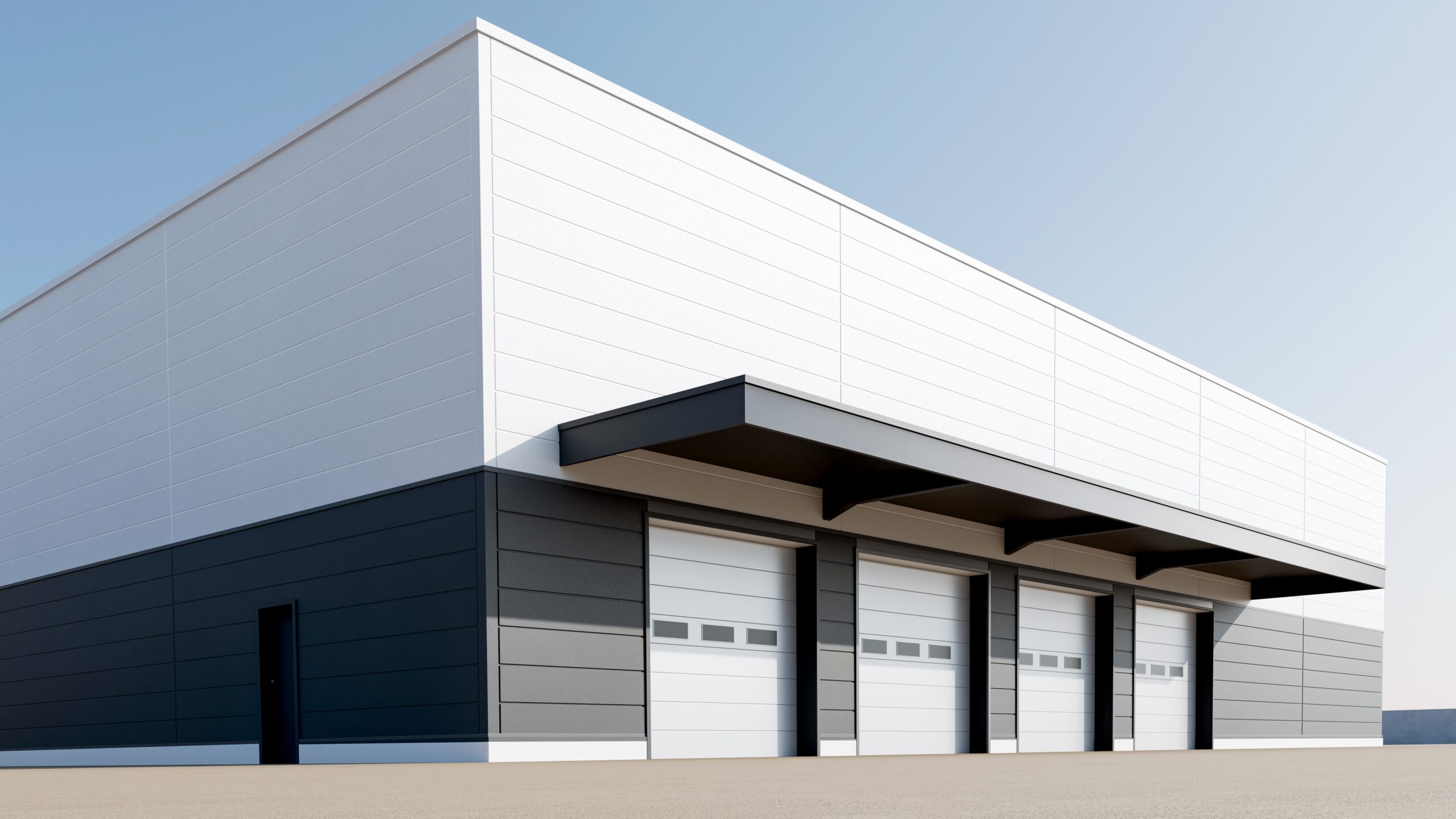
Industrial properties include warehouses, distribution centers, manufacturing facilities, flex spaces, and multi-tenant business parks. These buildings often range from 10,000 to more than 150,000 square feet and contain systems that differ significantly from office or retail properties. Inspectors evaluate each building based on its occupancy, construction, and intended use. Understanding how heavy equipment, storage demands, and tenant operations affect building performance provides a more accurate assessment of overall condition.
Building Envelope and Structural Components
The building envelope protects the structure from weather and moisture intrusion. Industrial buildings commonly feature precast or tilt-up concrete walls and low-slope roofing systems such as TPO or PVC. Inspectors evaluate wall panels, sealants, expansion joints, and roof components for cracking, movement, deterioration, and water intrusion. Roof seams, flashing, penetrations, and drainage are also examined because small deficiencies can become expensive repairs. Estimating remaining roof life also helps buyers plan future capital expenditures.
Mechanical and Operational Systems
Mechanical equipment is often one of the largest future expenses in an industrial facility. Commercial inspections evaluate rooftop HVAC units, make-up air systems, exhaust fans, heating equipment, and ventilation systems for age, condition, and visible deficiencies. Loading docks receive equal attention because they support daily operations. Dock levelers, shelters, overhead doors, safety hardware, and impact damage are inspected to identify conditions affecting reliability, safety, and maintenance costs.
Electrical, Plumbing, Life Safety, and Site Components
Commercial inspections also evaluate electrical distribution, plumbing, fire protection, and exterior improvements. Inspectors examine electrical service equipment, panels, transformers, plumbing piping, gas lines, fire sprinkler components, and fire alarm systems for visible deficiencies. Site improvements, including parking lots, truck courts, drainage, grading, sidewalks, and retaining walls, are inspected for deterioration that may affect operations or contribute to future repair costs. Together, these findings provide buyers with a comprehensive understanding of the property’s physical condition.
Bringing It All Together
Industrial buildings involve greater complexity and higher repair costs than many other commercial properties. An experienced commercial inspector understands how major building systems interact and where failures commonly occur. Rather than providing a simple checklist, a comprehensive inspection identifies current deficiencies, estimates future capital needs, and supports informed investment decisions.
Utah Commercial Inspections provides science-based commercial building inspections throughout Salt Lake City and the Wasatch Front, helping clients reduce risk and protect their investment before purchasing commercial real estate.