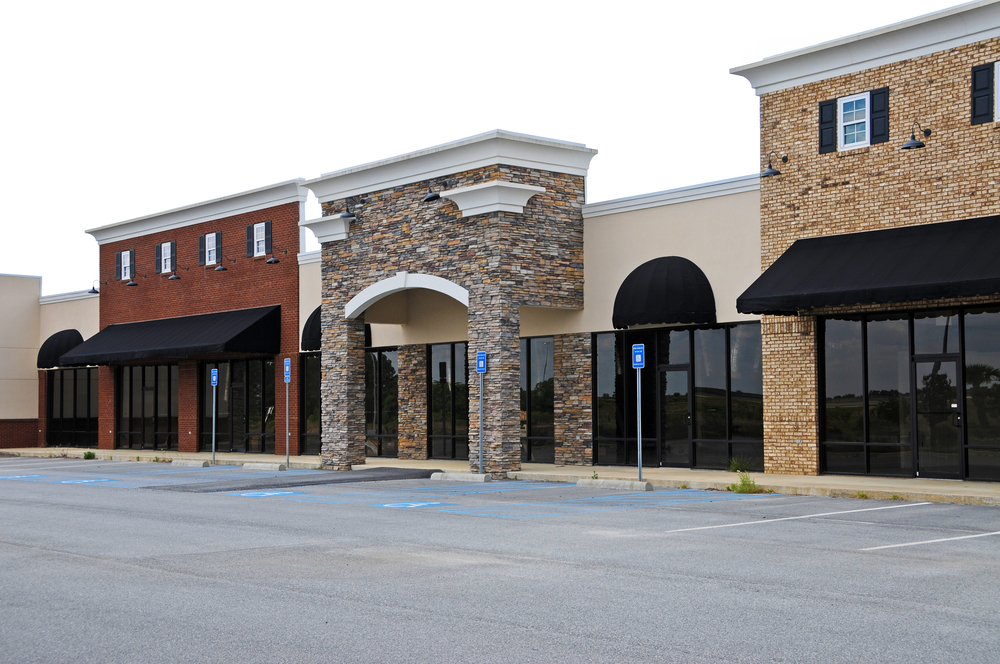
Buying a retail shopping center involves more than reviewing tenant leases, sales performance, and occupancy rates. The property’s physical condition can directly affect tenant retention, operating expenses, and long-term investment performance. Fresh paint and active storefronts may create a favorable first impression while masking significant deficiencies in the roof, mechanical equipment, paving, or building envelope. A commercial retail shopping center inspection offers an independent evaluation of the property’s major systems, helping buyers understand its condition before completing the transaction. The inspection provides practical information to support negotiations, budgeting, and long-term ownership decisions.
Retail Shopping Centers Function as Complete Systems
Retail centers should not be evaluated storefront by storefront. Every major system affects the center as a whole. A roof leak above a tenant space may damage insulation, electrical equipment, ceiling systems, inventory, and finishes before it becomes visible. Poor site drainage can contribute to pavement deterioration, trip hazards, foundation moisture, and water intrusion across multiple suites. Mechanical failures can affect comfort, operating costs, and tenants’ ability to conduct business.
A commercial property inspection evaluates how these systems interact rather than focusing solely on isolated defects. This building-science approach provides a more accurate assessment of the property’s overall condition and ownership risk.
Roofing and Mechanical Equipment Often Drive Future Costs
Roofing and mechanical systems commonly represent the largest future capital expenses for retail shopping centers. Low-slope roof coverings, drainage components, rooftop package units, make-up air equipment, exhaust systems, and tenant-serving mechanical equipment all have predictable life expectancies. Many systems continue operating long after their efficiency declines or maintenance costs rise.
A commercial building inspection evaluates:
- Approximate equipment age
- Visible physical condition
- Installation quality
- Maintenance indicators
- Remaining life expectancy
- Conditions requiring repair or replacement
Understanding these factors enables buyers to develop realistic capital expenditure forecasts before taking ownership, rather than reacting to unexpected failures that disrupt tenants or operations.
Site Improvements and Common Areas Affect the Entire Center
Parking lots, sidewalks, curbs, accessible routes, retaining walls, exterior lighting, signage structures, landscaping, and drainage systems are shared assets that affect safety, appearance, and the tenant experience. Deteriorated pavement, standing water, inadequate lighting, and uneven walkways can create liability exposure and reduce curb appeal and usability.
Because these components serve all tenants and visitors, small deficiencies can become broad operational concerns. Identifying emerging conditions early allows owners to prioritize repairs before they become major capital projects or disrupt daily business activity.
The Building Envelope Protects Tenant Spaces and Revenue
The building envelope serves as the shopping center’s first line of defense against weather and moisture. Roof coverings, flashing, parapet walls, exterior cladding, windows, doors, sealants, canopies, and drainage systems work together to protect the structure and tenant spaces.
Minor deficiencies often escalate into costly repairs when left unaddressed. Moisture intrusion can damage insulation, structural framing, electrical components, ceilings, flooring, and tenant improvements, and it may remain hidden for extended periods. A problem that disrupts a tenant’s operations can also affect lease relationships and rental income.
The Value Extends Beyond Finding Defects
The primary benefit of a retail shopping center inspection is improved decision-making. Buyers gain a clearer understanding of ownership risk, future maintenance needs, and expected capital expenditures. Commercial real estate agents strengthen client relationships by providing objective information that supports informed purchasing decisions. Property owners and asset managers also use inspection reports to monitor building condition, prioritize maintenance, and plan future improvements.
Bringing it All Together
A professional inspection transforms a shopping center from an unknown risk into a measurable asset. That knowledge supports better negotiations, more accurate budgeting, and greater confidence throughout the due diligence process.
Utah Commercial Inspections offers commercial property inspection services in Salt Lake City and the greater Wasatch Front, covering areas from Ogden to Spanish Fork and Heber to Tooele. Contact us to schedule an inspection.